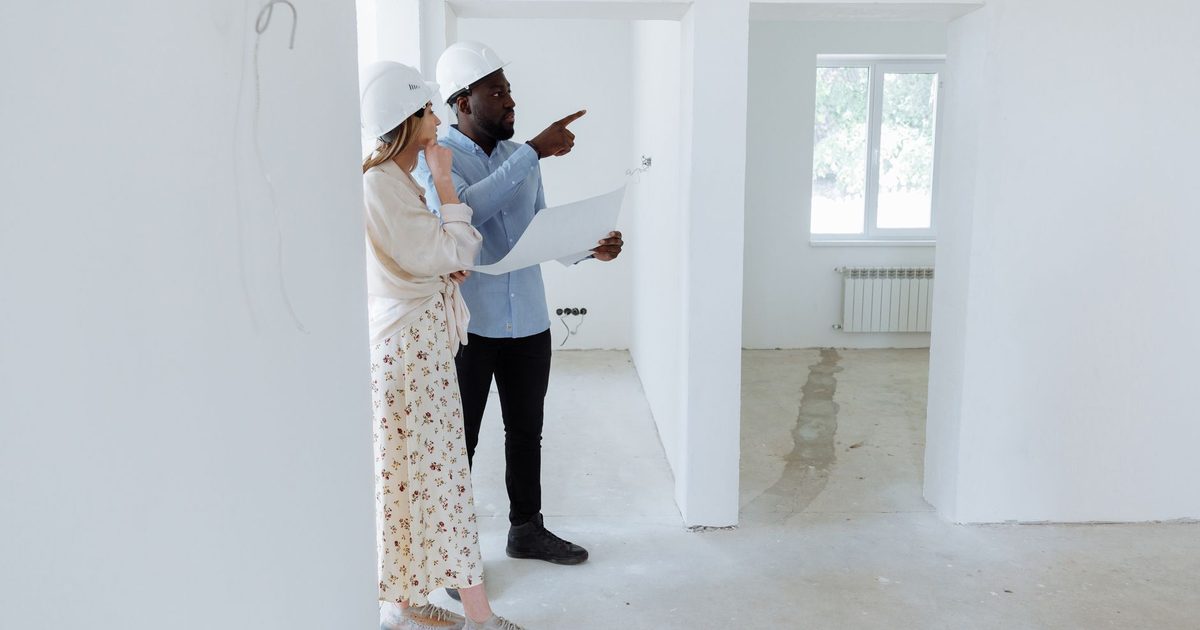
You walked a 30,000 square foot building, priced it from memory that night, and lost by $400. Or you won it and then found nine restrooms where you remembered four.
A real walkthrough takes 45 to 90 minutes and ends with about 30 written numbers: cleanable square feet by floor type, restroom fixtures counted one at a time, trash points, and the haul distance to the dumpster. Below is the full checklist: what to bring, a 7-step route through the building, what to measure in every area, 12 questions to ask the buyer, a worked example carried to a monthly price, and the words that set a proposal date before you leave.
The walkthrough decides the contract, not the price sheet
Buyers pick the company they believe will show up and not create problems. The walkthrough is the one hour where you control that impression.
It also turns a building into a cost. Your hours, crew size, supply budget and margin all come from what you wrote on the clipboard, and an error there rides with you for the length of the contract.
- It sets your price. Square footage, fixture counts, floor types and the trash path drive your labor hours.
- It sets your scope. Your notes become the scope sheet, and the scope sheet ends the argument about whether the break room fridge was included.
- It sets your credibility. Counting fixtures out loud looks different from nodding and saying "I'll get you a number."
For what happens after the proposal lands, read the piece on closing commercial cleaning deals.
Walk with the title that signs, by facility size
Walk with the wrong person and you get a tour instead of information.
| Facility | Who signs | What they care about most | Walkthrough length |
|---|---|---|---|
| Small office, under 15,000 sq ft | Office manager or owner/GM | Price, reliability, not having to think about it | 30 to 45 minutes |
| Large office or campus, 40,000+ sq ft | Facility manager or director of facilities | Staffing plan, supervision, response time on complaints | 60 to 120 minutes |
| Multi-tenant commercial | Property manager (the engineer walks you) | Tenant complaints, insurance certificates, common areas | 45 to 90 minutes per property |
| Medical or dental | Practice manager or office administrator | Compliance, waste handling, trained staff, discretion | 30 to 60 minutes |
| Chains and multi-site | Procurement or regional operations manager | Consistency across sites, reporting, one invoice | Varies, often one representative site |
Ask one question when you book it: "Who else needs to sign off on this besides you?" If the answer is a name you have not met, ask whether they can join for the last ten minutes. The cleaning contracts by facility type playbooks break these buyers down building by building, including property management cleaning contracts, where the engineer and the manager want different things.
Public work runs on a different clock. Bids posted to SAM.gov, BidNet and state procurement portals usually schedule one mandatory pre-bid site visit, and missing it disqualifies you no matter how good your price is.
What to bring to a janitorial walkthrough
None of this is expensive. The point is that you measure instead of estimate while the buyer watches.

- A laser measure and a wheel. Laser for rooms, wheel for long corridors and warehouse floor.
- A printed checklist on a clipboard. Typing on a phone reads as distracted. Writing reads as thorough.
- Your phone for photos only. Plan on 20 to 40 shots, and shoot the worst 10 percent of the building, because that is what you get judged on.
- A tally counter or a count column. Fixtures, desk-side cans, floors, entrances, closets.
- Two copies of a one-page company sheet. Insurance limits, years in business, supervision model, references by facility type.
- A sample inspection form. Handing over a room-by-room QC inspection checklist mid-walkthrough does more than any brochure.
- Shoe covers for medical or food sites. Offer first. It gets noticed.
Ask before you shoot: "Mind if I take pictures as we go? They stay internal, just for building my labor plan." Almost nobody says no, and asking keeps you out of trouble in secure areas.
The 7-step walkthrough sequence
Walk the same route every time. A fixed order is how you stop forgetting the second floor break room.

- Sit down for five minutes first. Ask what prompted the call, what the current arrangement is, and what budget range they expect. You read the building differently once you know restrooms are the sore spot.
- Walk the exterior and the entry. Entrance count, mat locations, glass, smoking areas, dock, compactor or dumpster distance.
- Take one orientation lap with no measuring. Note floor type changes and where the restrooms sit.
- Measure on the second pass. Room by room, writing numbers as you go. Ask for a floor plan and verify two rooms against it.
- Do restrooms in detail. Every fixture, every dispenser, who owns the dispensers, what the floor is.
- Find the closets and the trash path. Where supplies live, whether there is a janitor sink, and exactly how a full barrel gets from the third floor to the dumpster.
- Close in the room where you started. Recap, confirm frequency and start date, and name the day your proposal arrives.
Steps 2 through 6 are mechanical. Steps 1 and 7 are where the deal moves.
What to measure and photograph in each area
Measure cleanable square footage, not the gross number on the lease. Mechanical rooms, electrical closets, tenant storage and vacant suites come out: in the worked example below, that is 3,000 square feet of a 24,000 square foot building, and pricing off the gross number is one of the most common ways owners bid under cost.
Entrances, lobby and glass
Count entrances, interior and exterior glass doors, and the running feet of partition glass. Note mat size and whether mats are rented or owned. Photograph the entry floor, because entry hard floor is where appearance complaints start.
Open office, private offices and conference rooms
Record square feet by floor type, workstation count, private office count and conference room count. Density moves your production rate: 120 cubicles in 10,000 square feet is a different night from 10 private offices in the same space. Ask whether desks get wiped or only trash gets pulled, and write the answer verbatim.
Restrooms, fixture by fixture
Count toilets, urinals and sinks separately, then note partitions, mirrors, soap and towel dispensers or hand dryers, tissue and seat cover dispensers, baby changing stations and showers.
- Time per fixture: budget 5 to 8 minutes per fixture for routine service including floors, mirrors and restocking, in line with the cleaning times data published by ISSA.
- Dispenser ownership: if they are vendor-owned and the incumbent takes them, you are buying dispensers on day one.
- Paper and soap: confirm who supplies and who pays. Consumables run $220 a month in the worked example below, and a busy building runs higher.
- Floor type: ceramic with grout needs periodic deep cleaning, which belongs on your add-on list, not in your nightly rate.
Break rooms, kitchens and vending areas
Count tables, chairs, sinks, microwaves and refrigerators, then ask the fridge question directly: "Who cleans the inside of the fridge, and how often?" Note whether dishes get left in the sink, because that is a standing argument waiting to happen.
Floors and floor care
Write square footage by surface: carpet tile, broadloom, VCT, LVT, ceramic, polished concrete, terrazzo, rubber, wood. Ask when VCT was last stripped and when carpet was last extracted. If nobody knows, assume it has been a long time and photograph the traffic lanes.
Trash and the waste path
Count desk-side cans, common area receptacles, recycling stations and cardboard points. Then walk the route: elevator or stairs, distance to the compactor, and whether the dock is locked at night. A 300-foot outdoor haul in January is real labor you need to price.
Supply closets and utility access
Note the closet on each floor, whether there is a janitor sink or only a mop bucket, water access, outlets for equipment, and whether it locks. No closet means carrying everything in nightly, which costs 10 to 20 minutes per shift.
| Area type | Typical sq ft per labor hour | What moves the number |
|---|---|---|
| Open office, carpet, desk-side trash | 3,000 to 4,000 | Workstation density, clutter, chair count |
| Private offices and conference rooms | 2,500 to 3,500 | Door count, glass, table wipe-down |
| Corridors and lobbies, hard floor | 4,000 to 7,000 | Mats, entry glass, traffic |
| Classrooms and exam rooms | 1,800 to 2,800 | Disinfection scope, touchpoint work |
| Warehouse floor, sweep or auto-scrub | 20,000 to 40,000 | Racking layout, machine width, pallet traffic |
| Restrooms | Priced per fixture | 5 to 8 minutes per fixture, traffic level |
These ranges track the cleaning times data published by ISSA, and your own timed crews should override them within a few months. The free square footage and frequency calculator turns your measurements into hours and a price range on the drive back. If you want enough pipeline to be selective about which buildings you walk, book a free strategy call.
12 questions to ask while you walk
Spread these through the walk instead of reading them as a list at the end, and write the answers where the buyer can see you writing.
- "What made you start looking?" The first answer is polite. Wait, then ask "and what else?"
- "What does your current crew do well?" This tells you what you have to match.
- "If one thing got fixed in 30 days, what would it be?" That line goes in your proposal, in their words.
- "Who hears about it when something gets missed?" Email, text, a tenant complaint, a note from the CEO.
- "What hours can we be in the building?" Nights, after 6, day porter, weekends only.
- "Who else is here at night?" Security, other vendors, employees working late.
- "What is included on supplies today, and who pays?" Paper, soap, liners, sanitizer.
- "Any areas we do not enter?" Server rooms, HR, executive offices, labs.
- "When does the current agreement end, and what notice does it require?" Thirty days is common and it sets your start date.
- "What is your budget range?" Ask it plainly. Most buyers answer.
- "Besides you, who signs off?" Ask early enough to invite them in.
- "If the proposal looks right, when would you want us to start?" This is your timeline question.
When they deflect on budget, use this:
I get it, you want to see the number first. Let me ask it differently: are you expecting a few hundred a month, or a few thousand? I just don't want to design a scope that's way off from what you had in mind.
If objections are where you lose momentum, the free cold call scripts and objection handlers cover the common ones verbatim.
Access and schedule details that move your price
None of this shows up in square footage, and all of it adds minutes to every shift. Write it down at the walkthrough or eat it later.
- Access method. Keys, fobs, badges, lockbox, alarm codes. Ask how many sets you get and what a replacement costs.
- Alarm and lockup responsibility. Who arms, who disarms, who takes the 2 a.m. false alarm call.
- Background checks and badging. Medical, school and government sites often require them, sometimes with a per-badge fee. Schools frequently require fingerprinting, which adds a week or more to onboarding.
- Escorted areas. A server room or lab that needs an escort is a scheduling constraint, not a cleaning task.
- Elevator access after hours. If the elevator locks down at 7 p.m., your trash path just changed.
- Parking. Paid garage, street only, or a dock you can back into. Downtown, this is a real monthly cost.
- Day porter expectations. Buyers often assume daytime coverage and never say it. Ask.
- Regulated materials. If there is a clinic, first-aid room or any sharps, the OSHA bloodborne pathogens standard applies and your crew needs training before day one.
In industrial buildings add machine clearance, forklift traffic hours and lockout/tagout zones, covered in the warehouse and industrial playbook. Read the medical office contracts playbook before you walk a clinic, since the waste and access rules change your scope sheet.
From walkthrough notes to a number: a worked example
A 24,000 square foot suburban office, single tenant, five nights a week, measured at the walkthrough.

Cleanable area: 24,000 gross minus 3,000 of mechanical, storage and one unoccupied suite equals 21,000 cleanable.
- Carpeted office, 15,000 sq ft at 3,500 sq ft per hour = 4.3 hours
- Hard floor corridors and lobby, 2,500 sq ft at 4,000 sq ft per hour = 0.6 hours
- Two break rooms at 15 minutes each = 0.5 hours
- Four restrooms, 16 fixtures at 6 minutes per fixture = 1.6 hours
- Trash haul to the compactor across the lot, 10 common barrels = 0.5 hours
Total: 7.5 hours per night. At 5 nights a week and 4.33 weeks a month, that is 21.65 shifts, or 162 labor hours per month.
Pull your area's wage figure from the BLS occupational data for janitors and cleaners before you set the rate. This example uses $17 per hour loaded at 1.25 for payroll taxes, workers' comp and general liability, which is $21.25 per hour.
| Line | Math | Monthly |
|---|---|---|
| Labor | 162 hrs x $21.25 | $3,443 |
| Consumables (paper, soap, liners) | From fixture count and headcount | $220 |
| Chemicals and equipment | Allocated | $90 |
| Direct cost subtotal | $3,753 | |
| Price at 15% overhead and 18% net | $3,753 / 0.67 | $5,601 |
Call it $5,600 per month, which is $0.23 per gross square foot and $0.27 per cleanable square foot. Strip and wax, carpet extraction and window work go on a separate add-on schedule, not in the monthly. Change the overhead and net figures to match your own books and nothing else moves. The post on structuring contracts for profit covers how to set those two percentages honestly.
How to close the walkthrough with a proposal date
"I'll get you something in the next few days" costs deals. Finish in the room where you started, with four moves.
- Recap what you heard. "So: five nights, restrooms are the sore spot, you want us in after 6, and you buy paper today but you're open to us taking it over."
- Confirm the boundaries. Name the two or three things you are excluding so the proposal holds no surprises.
- Name the date. Say it out loud and write it where they can see it.
- Name the follow-up. Set the call before you leave, not after you send.
Here's what happens next. I'll have your proposal to you by Thursday morning, and it'll have the nightly scope, the monthly price, and a separate list for floor work so you can take it or leave it. Can we put 15 minutes on your calendar Friday at 10 to go through it? If you'd rather I just send it, I will, but a quick walk through the numbers usually saves everybody a week of email.
Then send it Thursday morning. Delivering the first thing you promised on time is the cheapest trust you will ever buy, and the free commercial cleaning proposal template is built so the scope mirrors your walkthrough sheet line for line.
If the buyer feels lukewarm, ask one more question before you go: "On a scale of one to ten, how likely is it you'll change vendors this quarter?" Anything under seven means a budget, timing or loyalty problem, and you want to know which one before you spend two hours writing.
Common mistakes
- Pricing off the lease square footage. Gross includes space you will never touch. Measure cleanable area or you bid a slice of the building for free.
- Walking at 10 a.m. and bidding a 7 p.m. building. Daytime hides the real trash volume and soil load. Ask what the place looks like at close, and ask to come back at night if it is unusual.
- Skipping the fixture count. "Four restrooms" is not a number you can price. Sixteen fixtures is.
- Nodding instead of writing. If you are not writing, they assume you are not listening, and you will forget half of it by the parking lot.
- Copying the incumbent's scope. That scope may be exactly why they are unhappy. Price what the building needs, then show where you differ.
- Leaving without a date. No proposal date and no follow-up time means you are chasing. Set both before you stand up.
One more pattern worth naming: walking buildings that were never going to buy. If most of your walkthroughs end in "we'll stay where we are," the problem sits upstream of your checklist. That is the gap commercial cleaning leads from outbound qualification are meant to fill, and the five-step qualification process page shows how a lead gets gated on decision-maker, real need and an agreed next step before it reaches your calendar. For free pipeline ideas, see the five ways to get more commercial cleaning leads and the office cleaning contracts playbook.
Frequently asked questions
How long should a commercial cleaning walkthrough take?
Plan 45 to 90 minutes for most buildings. A 10,000 square foot office can be done properly in 30 to 45 minutes, while a 100,000 square foot campus usually takes two hours or a second visit. If you are done in 15 minutes, you measured nothing and you are about to guess.
What should I measure during a cleaning site visit?
Cleanable square footage by floor type, restroom fixtures counted separately (toilets, urinals, sinks), workstation and private office counts, trash points including desk-side cans, and the distance from the farthest trash point to the dumpster. Add entrance count, glass footage and supply closet locations. Those eight numbers drive nearly all of your labor hours.
Should I give a price at the walkthrough?
Give a range if the buyer pushes, never a firm number. "Buildings like this usually land between $4,500 and $6,000 a month, and I'll have the exact figure Thursday" keeps you credible without boxing you in. Firm hallway quotes are how owners end up at an 8 percent margin for three years.
What questions should I ask the facility manager during a janitorial walkthrough?
Ask what prompted the search, what the current vendor does well, the one thing they would fix in 30 days, who hears about misses, what hours you can be in the building, who pays for paper and soap, and who else signs off. Then ask when they would want you to start. Write the answers down in front of them.
Do I need to do a walkthrough before every bid?
For anything you will clean more than once, yes. The exceptions are small one-time jobs and formal RFPs where the buyer hosts a mandatory pre-bid site visit on a set date, which is standard for public work posted on SAM.gov, BidNet and state procurement portals. If a buyer refuses a site visit, price conservatively and add language that lets you adjust after 30 days.
How do I handle a buyer who just wants a price over the phone?
Say this: "I can give you a ballpark now, but it'll be wide enough to be useless. Give me 30 minutes in the building and I'll give you a number I'll stand behind." Most buyers accept, because they have been burned by a phone quote that changed after the first month. If they still refuse, quote a range and put your assumptions in writing.
Walk more buildings worth walking
If your checklist is tight but your calendar is thin, book a free strategy call and we'll look at where your next walkthrough comes from.
Book Your Strategy Call